
What Consistent Groups Create
Stable groups give structure, routine, and a place to return to week after week.
Across Fight Club programs, groups operate in schools and community spaces throughout the year, providing continuity across different environments and schedules.
Teens supported
Participating across multiple Fight Club groups during the school year and summer time.
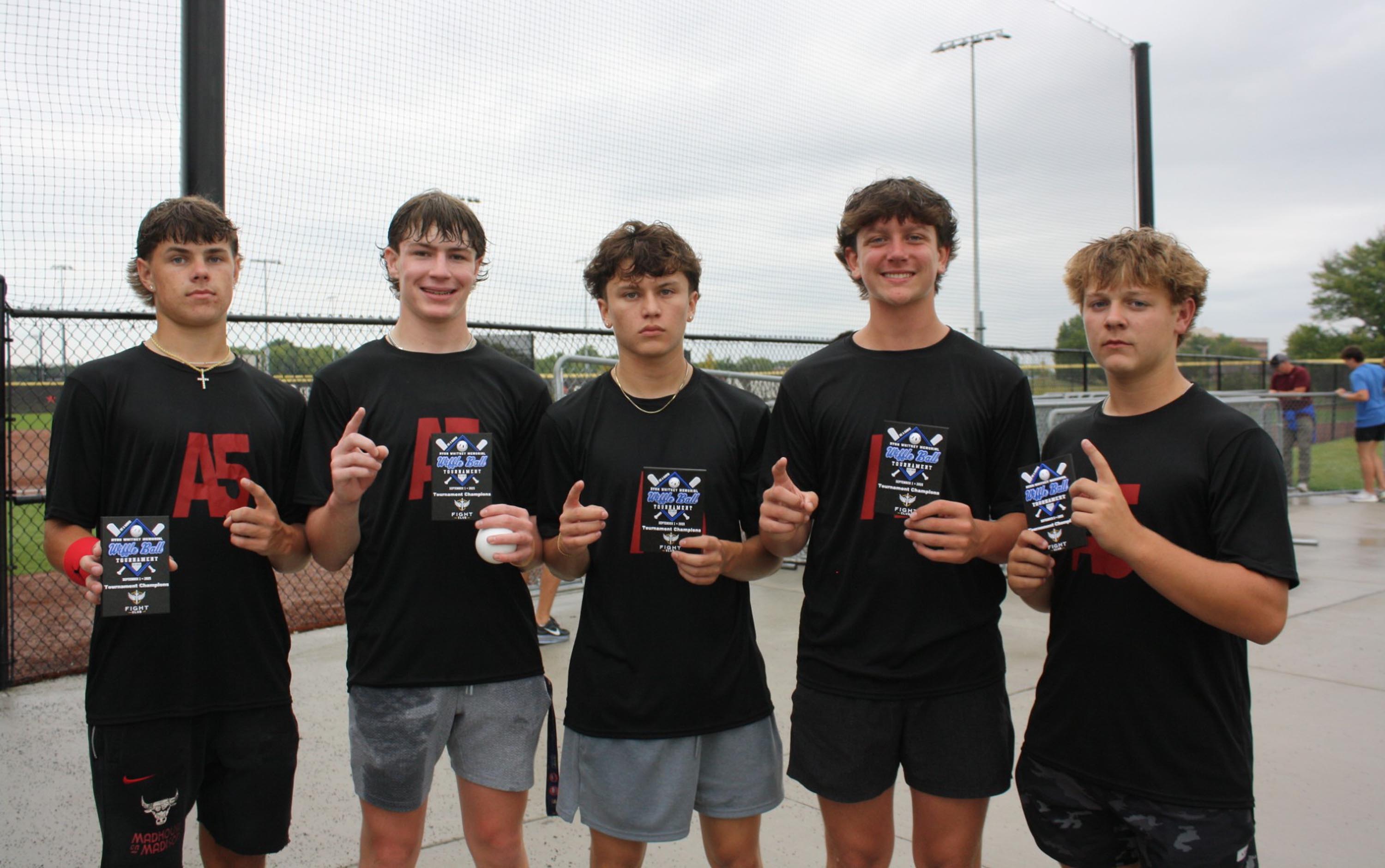
Active Groups in Our programs
Operating across schools and community locations.

Bi-Weekly Group Structure
Groups meet on a regular bi-weekly cadence rather than drop-in or one-time sessions throughout the academic.






What Participation Produces
What participants notice after being part of a Fight Club group over time and through regular participation.


17%
Children experiencing “fair” or “poor” mental health (ages 5–17).
Source: 2025 Community Health Needs Assessment.
7,239
Hospital visits for suicidal ideation among youth (2019–2023).
Source: 2025 Community Health Needs Assessment.
17.8
Kansas teen suicide rate per 100,000.
Source: 2025 Community Health Needs Assessment.
Voices From the Fight Club Community
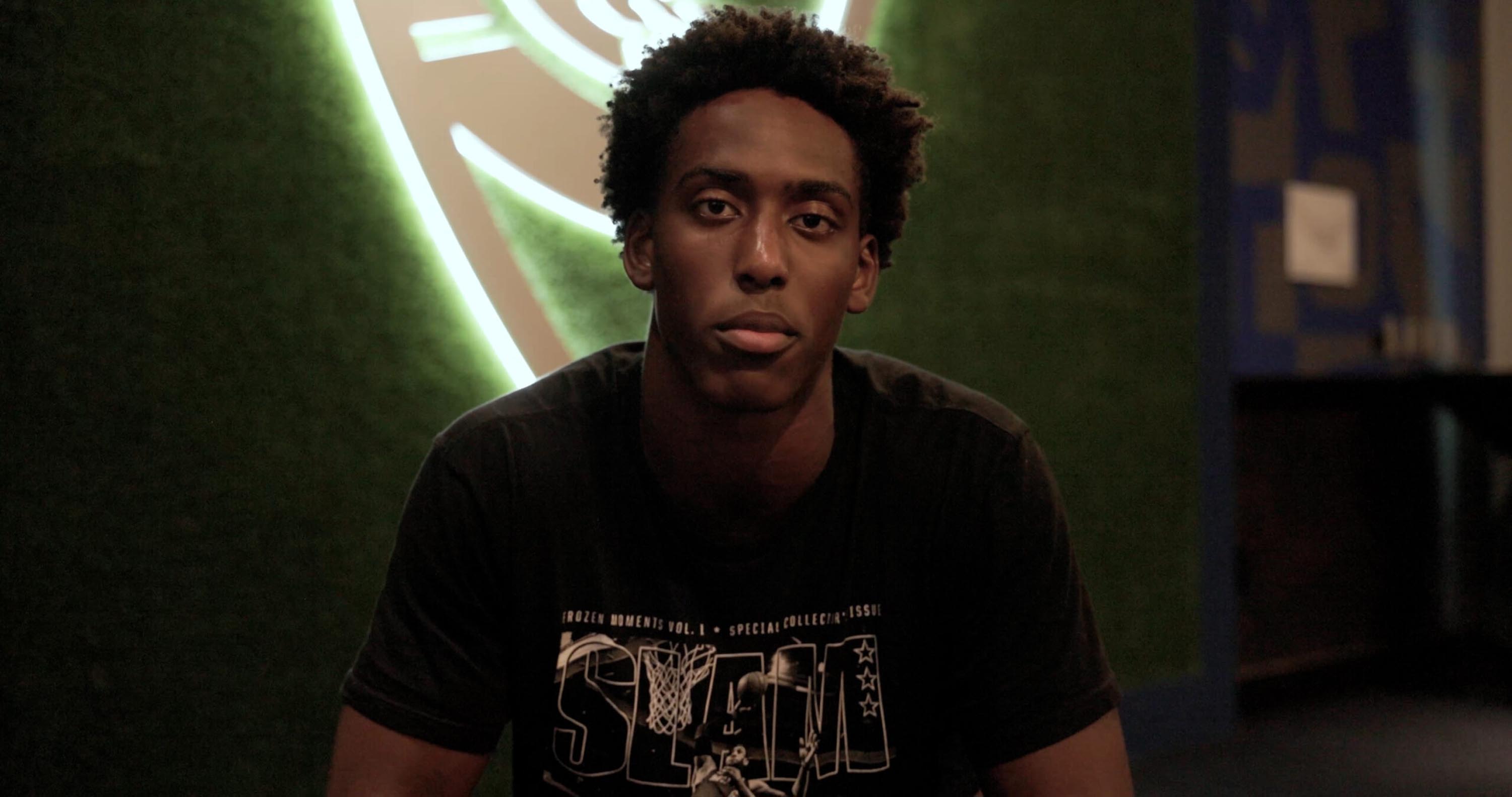
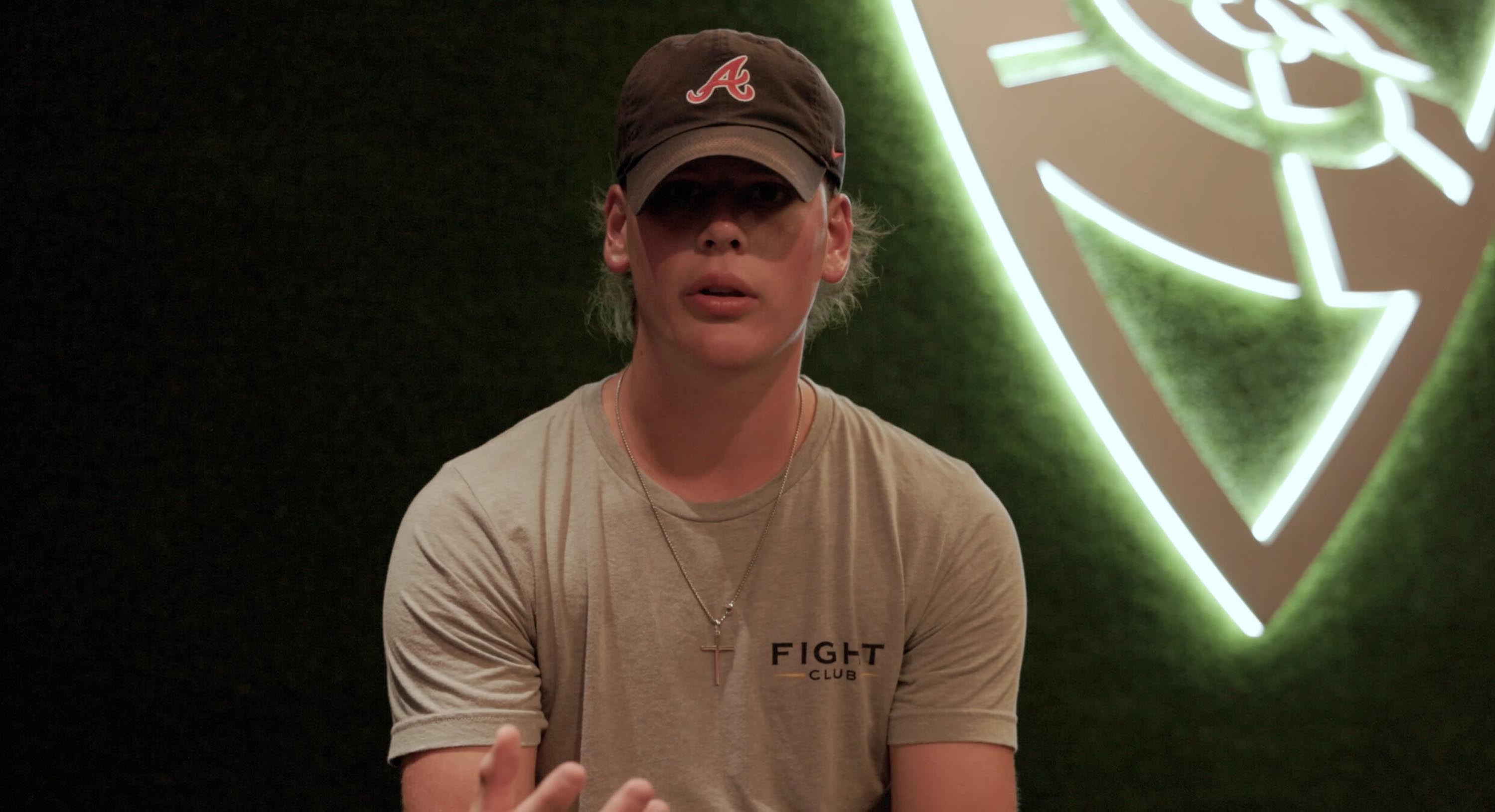
Participation shows up differently for everyone, but patterns emerge over time. These reflections highlight what people notice after being part of a consistent Fight Club group.

Real connection gives teens strength to face life together
Fight Club offers a place where teens are heard, supported, and encouraged to grow through shared honesty and trust.
See Where This Leads
If what you’ve read resonates, the next step is simple: explore groups, get involved, or support the work.
Updates From Inside the Work
Occasional updates on groups, growth, and how the work continues across schools and communities.